The questions brands preparing to export to China ask most often — answered by OTC experts.
Many companies believe animal testing is unavoidable when exporting cosmetics to China, but the applicable requirements now differ according to product type and company qualifications.
China manages cosmetics as either general cosmetics or special cosmetics, and general cosmetics that meet certain conditions can be notified without submitting animal test data.
Special cosmetics, however, follow a separate approval and registration procedure, and additional documentation may be required depending on product safety and risk level. Chinese animal testing requirements must therefore be assessed comprehensively according to product type, company conditions and the registration route, rather than against a single standard.
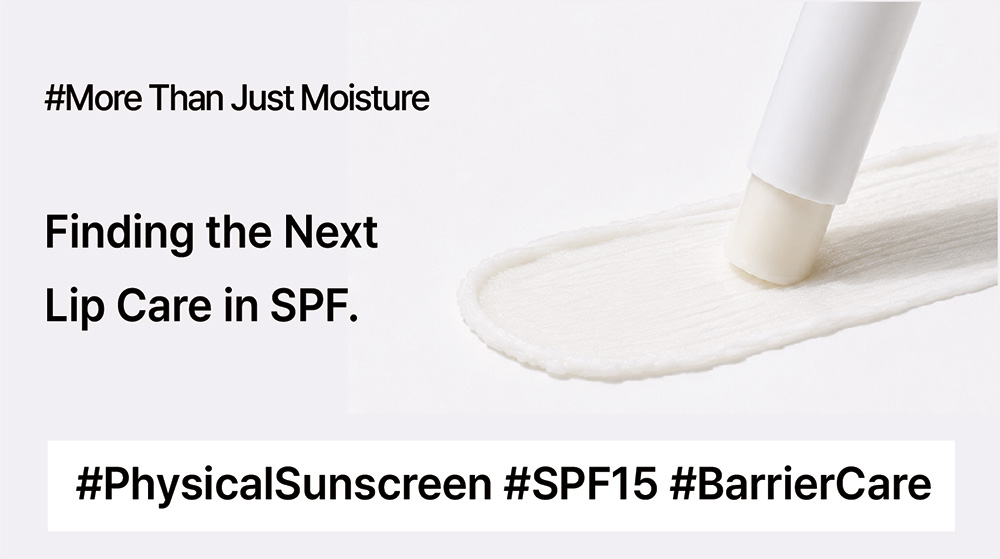
China manages UV protection not as a simple topical cosmetic function but as an efficacy-driven function affecting the physiology of the skin.
Sunscreen products are therefore classified as special cosmetics rather than general cosmetics, and are subject to a stricter registration procedure and to submission of safety and efficacy documentation.
Even a sun care product distributed as a general cosmetic in the EU or ASEAN markets may be classified as a special cosmetic in China, so reviewing the product classification framework before market entry is essential.
China manages cosmetics as either general or special cosmetics. Special cosmetics include the following product groups:
sunscreens, whitening and blemish-improvement products, hair-loss prevention products, hair dyes and permanent wave products.
The same product may be classified differently under each country's regulatory framework, and classification as a special cosmetic can substantially increase the registration procedure, documentation and review period compared with a general cosmetic.
When exporting to China it is therefore important to review the regulatory classification criteria first, rather than the marketing wording.
Under the Standards for Cosmetic Efficacy Claim Evaluation, China requires submission of assessment documentation providing scientific support for the efficacy a product labels or advertises.
Depending on the type of claim — moisturizing, whitening, wrinkle improvement, UV protection and so on — the evidence may take the form of human application testing, consumer use testing, laboratory testing or literature-based documentation.
For certain claims, test data produced by a testing institution recognized by the Chinese authorities may be required, and the consistency between the claim and the study design is also reviewed.
Efficacy assessment documentation is not only a registration requirement but is also used as the basis for advertising and marketing wording, so it matters for advertising compliance after launch as well.
When entering the Chinese market it is therefore important to establish the claim strategy and the efficacy assessment strategy together from the earliest stage of product development.
Establishing a Chinese corporation is not necessarily required.
However, to register or notify a cosmetic in China you must appoint a Domestic Responsible Person in China.
The Domestic Responsible Person carries out product registration and notification on behalf of the overseas manufacturer, and bears responsibility across the product life cycle — including post-market safety management, adverse event reporting, product recall and dealing with the regulator.
They also retain product quality and safety documentation and act as the official channel of communication with the authorities, so they function as a core regulatory responsibility holder rather than a mere administrative agent.
Selecting the Domestic Responsible Person is therefore an important decision alongside the product registration strategy.
Since the Regulations on the Supervision and Administration of Cosmetics took effect, China has continuously strengthened its safety assessment system, institutionalizing an ingredient-based risk assessment framework in particular through the requirement to submit a Safety Assessment Report.
Product safety therefore no longer rests on finished-product test results alone; it is assessed comprehensively on scientific evidence including the toxicological information, human safety data, history of use and exposure assessment for each raw material.
Ingredient-level safety information is the key evidence used to prepare the Safety Assessment Report, so where that information is insufficient, requests for supplementary assessment may arise or the registration procedure may be delayed.
In the current Chinese regulatory environment, regulatory capability at the raw material selection and safety data stage — rather than at the finished product stage — has become the decisive factor in whether a product can be launched.
China applies safety management standards to cosmetics intended for children aged 12 and under that are stricter than those for general cosmetics.
Children's cosmetics are managed on a safety-first principle and may not claim adult functional efficacy such as whitening, acne improvement, body odour removal, hair removal, hair-loss prevention, hair dyeing or permanent waving.
New cosmetic ingredients, ingredients produced using genetic modification technology and nanomaterials are in principle restricted; where their use is necessary, scientific justification and safety substantiation are required.
China applies a minimum formula principle to children's cosmetics and also applies strict safety assessment criteria to the number and concentration of colorants, preservatives, surfactants and UV filters.