The questions brands preparing to export to Australia ask most often — answered by OTC experts.
Australia distinguishes cosmetics from therapeutic goods on the basis of the intended purpose of the product and its labeling and advertising claims.
Cosmetics are products for everyday beauty purposes such as cleansing the skin, imparting fragrance or improving appearance. Where a product claims acne improvement, antibacterial action, a functional therapeutic effect or a physiological action, it may be classified as a therapeutic good and fall under the Therapeutic Goods Administration (TGA), Australia's medicines regulator.
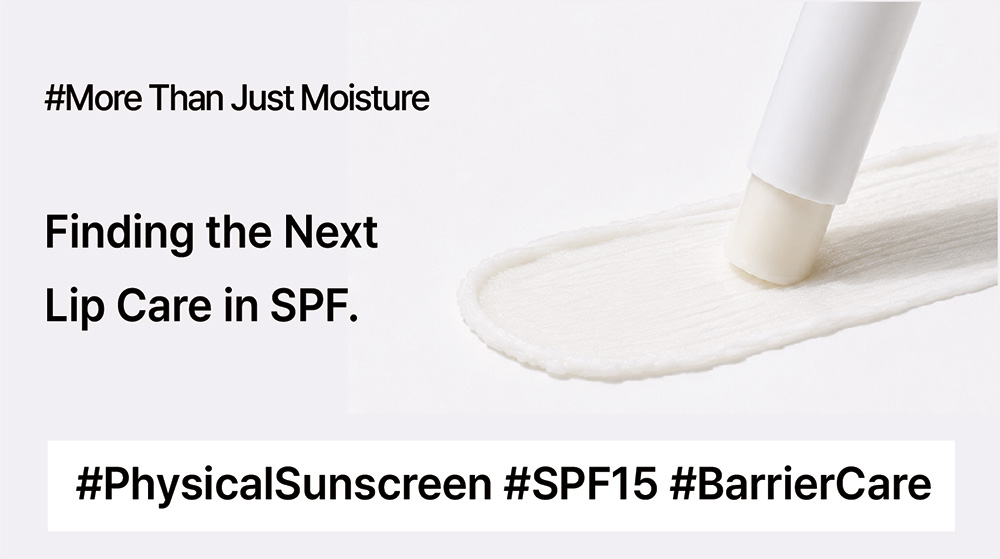
Australia has high levels of UV exposure and a high incidence of skin cancer, and operates a comparatively strict regulatory framework for sunscreens.
Australia classifies sunscreens as cosmetics or therapeutic goods not by product type alone but according to the primary purpose of the product and its labeling and advertising claims.
Where the primary purpose of the product is UV protection, it is generally classified as a therapeutic good and falls under the TGA.
In that case ARTG registration is required under the Therapeutic Goods Act 1989, with product registration and regulatory management carried out through a local sponsor.
Skincare products of SPF 15 or above where UV protection is claimed as a core function
Sunscreens containing insect repellent function or particular functional ingredients
Where UV protection is included but the primary purpose of the product is a cosmetic one such as skincare or colour, it may be classified as a cosmetic.
Even then, regulatory classification can change according to SPF level, product form, intended use and labeling wording, and a product exceeding certain thresholds may be reclassified as a therapeutic good.
Skincare products of SPF 15 or above in particular may be classified as therapeutic goods even where UV protection is a secondary function, so care is needed at the product design stage.
International standardization of test methods also continues to be discussed in order to improve test reproducibility and data reliability.
Australia regulates chemicals under the Industrial Chemicals Act 2019 through the AICIS scheme.
Whether a cosmetic ingredient may be used is determined by whether it is listed on the AICIS Inventory, and some ingredients are subject to conditions of use or notification obligations.
For sunscreen active ingredients, assessment covers not only concentration but human safety, exposure levels and environmental impact.
Certain UV filters are subject to safety re-evaluation, which may result in use restrictions or changes to recommendations.
Establishing an Australian company is not necessarily required.
Where a product is classified as a therapeutic good, however, a sponsor must be appointed in Australia as the responsible party, and that sponsor carries out TGA registration and ARTG listing.
The sponsor is responsible for submitting documentation required by the TGA, reporting adverse events and paying fees.
When entering the Australian market it is therefore important to review the sponsor structure alongside the regulatory classification of the product.
Australia is one of the regions with the highest ultraviolet exposure in the world and one of the countries with the highest incidence of skin cancer.
Sunscreens therefore require a higher level of safety and efficacy substantiation than general cosmetics, and are regulated by the TGA where they are managed as therapeutic goods.
Assessment covers not only product efficacy but raw material safety, conditions of use and test data, making Australia a comparatively strict regulatory environment among global markets.